


Custom Built Homes Valencia
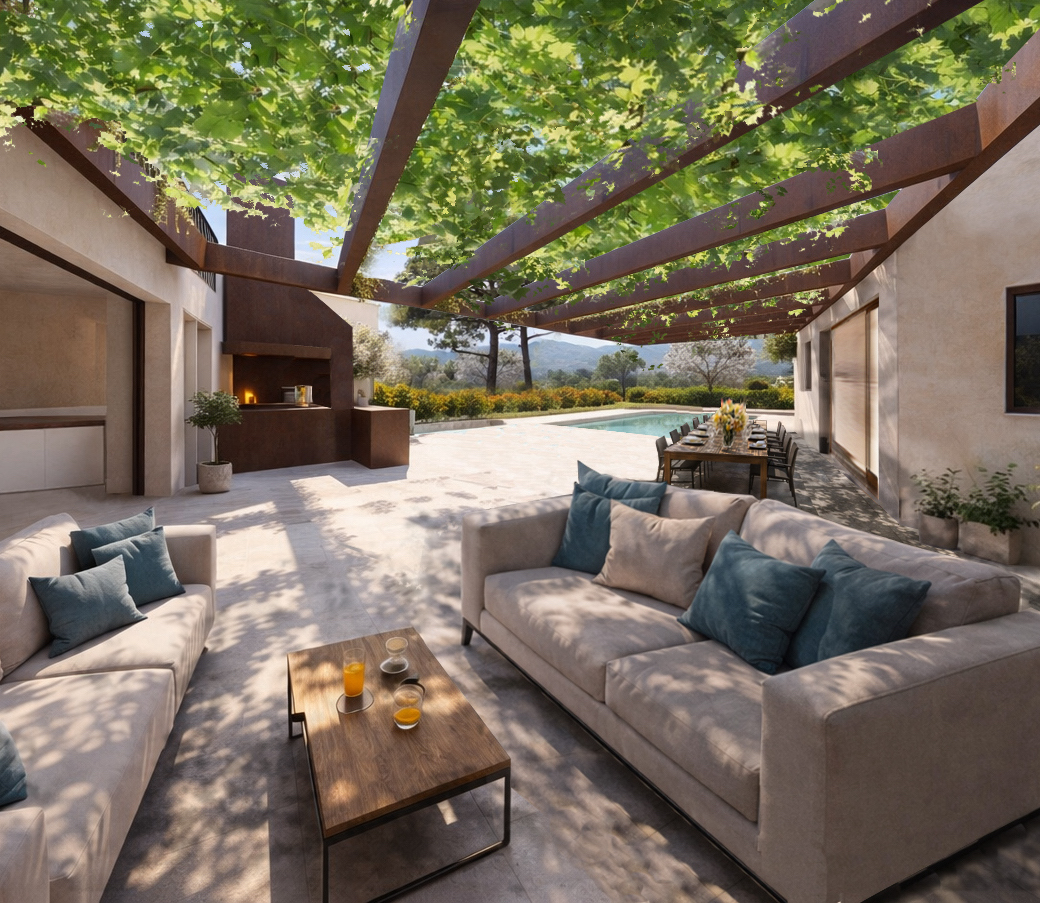

We are a Valencia-based architecture studio working extensively with international clients seeking to build, renovate, or invest in Valencia and the wider Mediterranean region. Whether you are building a new home, renovating a recently purchased property, or upgrading an apartment, we provide complete architectural services in English. We guide you clearly and professionally through every stage of the Spanish process, ensuring confidence, transparency, and exceptional results. Experience Valencia living through the lens of exceptional architecture.


Whether located on the coast, in the countryside or within an established built areas every project is carefully designed to optimise orientation, views, privacy, and natural ventilation — creating homes that respond intelligently to their environment
Our services include:
• Pre-purchase land or property analysis
• Concept design and feasibility studies
• Planning permission and regulatory management
• Full technical project documentation
• Construction supervision and quality control
For international clients building in Valencia, we provide comprehensive guidance through Spanish regulations, local planning procedures, contractor selection, and budget management. Our structured approach ensures clear communication in English and seamless project delivery from concept to completion.

Many international clients acquire older properties requiring modernisation. Through thoughtful spatial reconfiguration, extensions, and energy upgrades, we unlock their full architectural potential while enhancing comfort, efficiency, and long-term value.
Our renovation expertise includes:
• Opening layouts for modern living
• Indoor-outdoor integration
• Structural upgrades
• Thermal and energy performance improvements
• High-quality material selection and detailing
We manage the entire renovation process locally, providing reassurance and complete oversight for overseas owners.

From historic city-centre properties to contemporary developments, we transform apartments to maximise light, flexibility, and spatial efficiency. Our designs combine refined aesthetics with practical functionality and modern construction standards. For international property investors, we offer turnkey renovation solutions fully compliant with local regulations.
Innovative design. Timeless impact. Exceptional architecture shaped by place, light, and lifestyle.
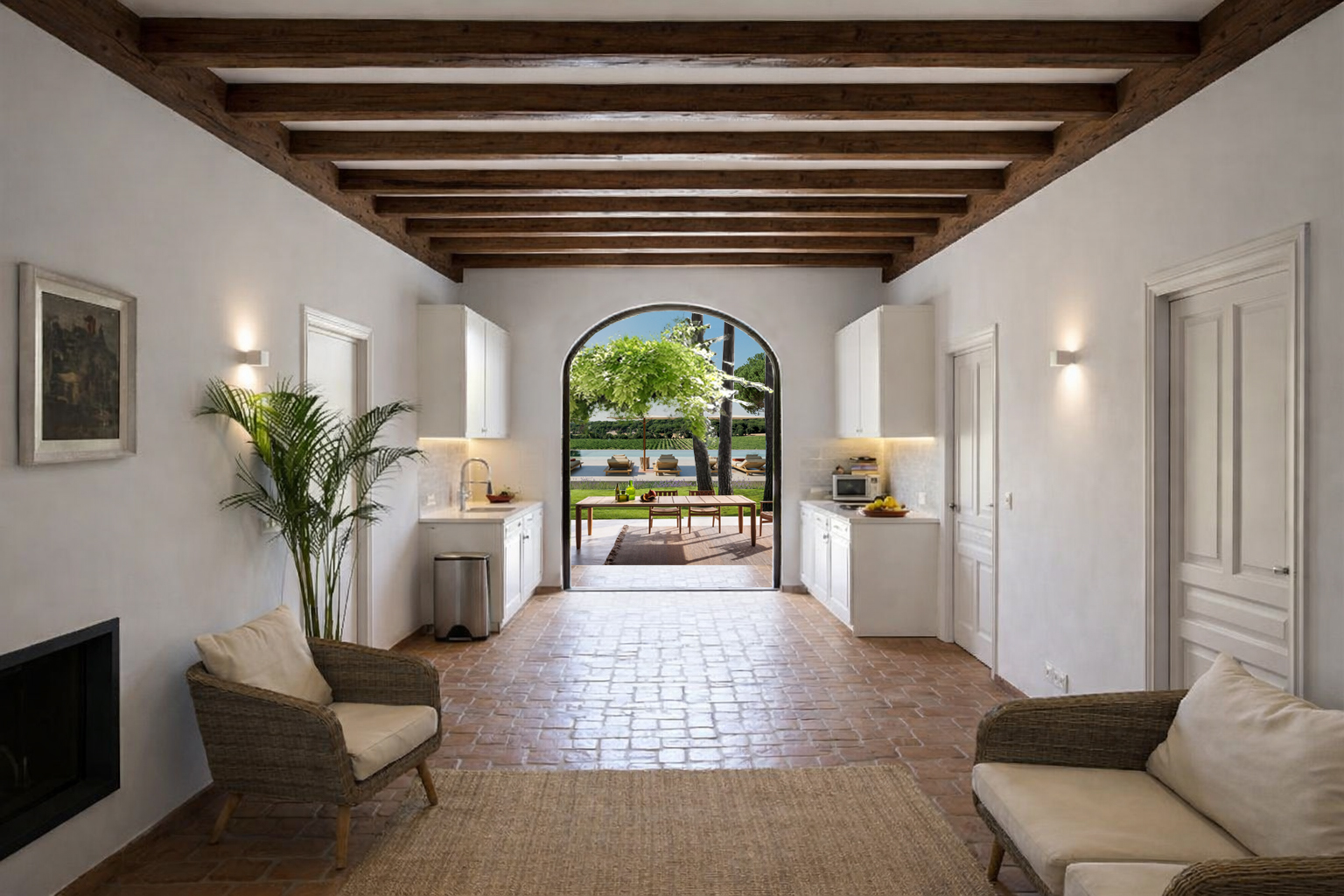
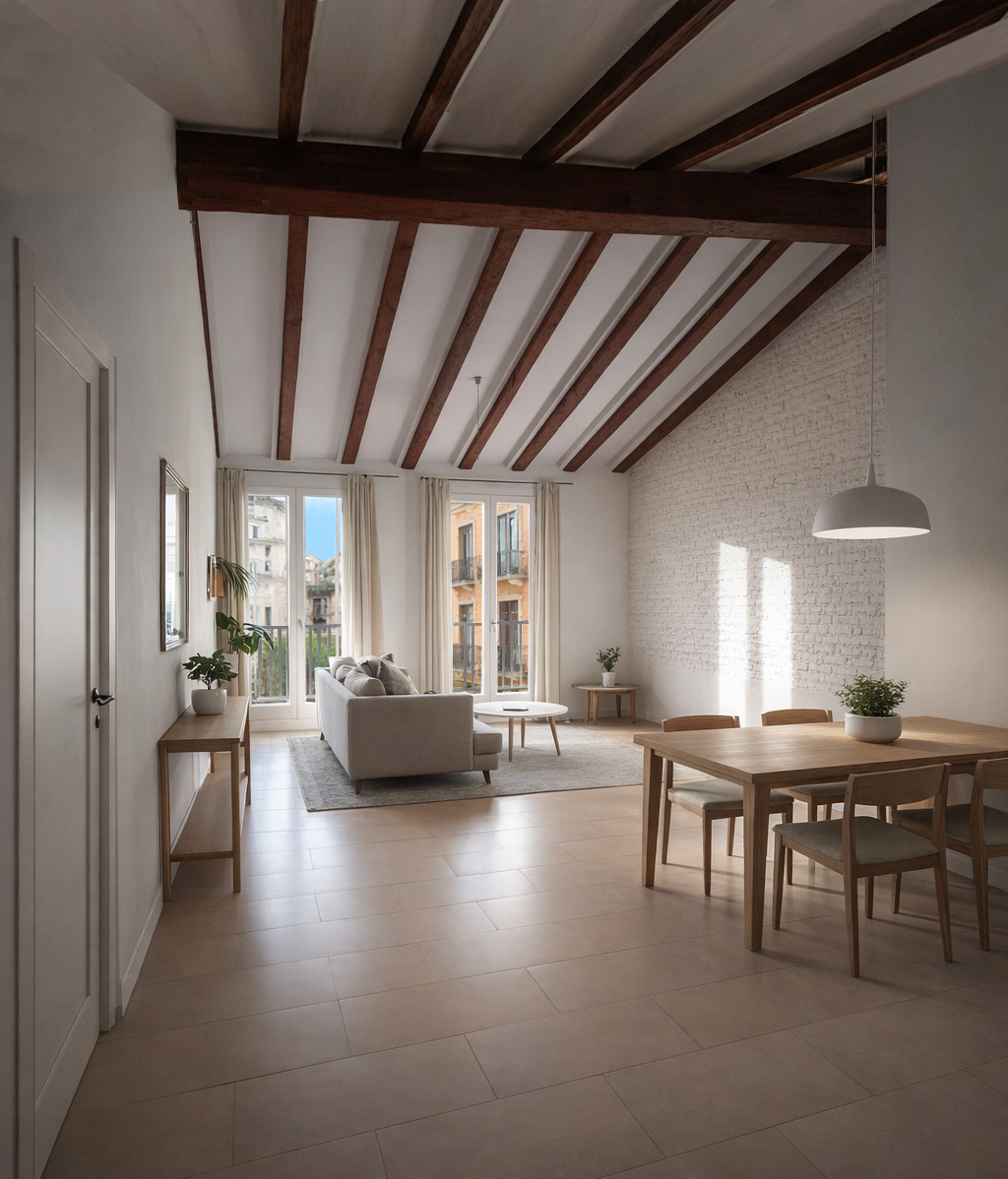
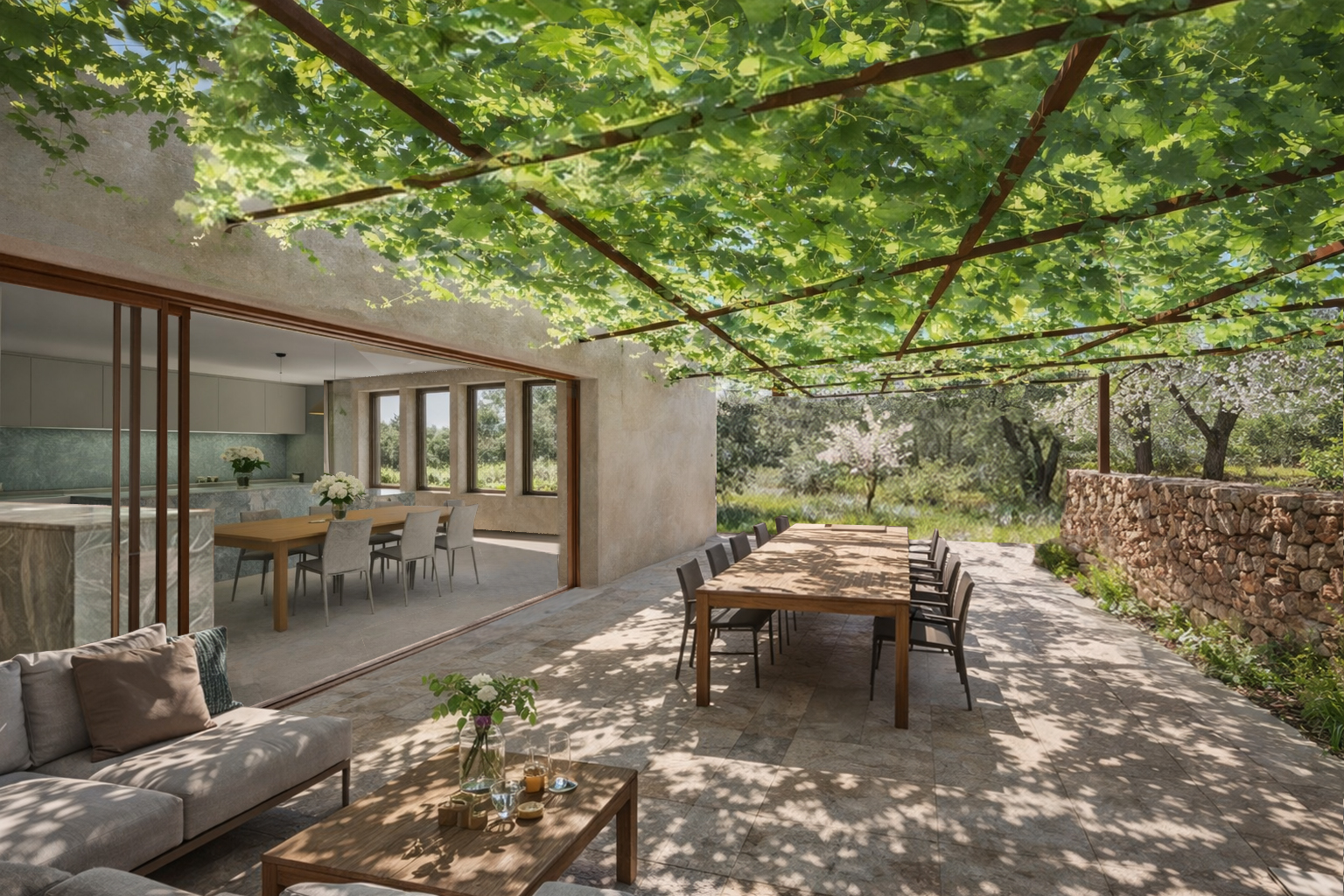
Embarking on a construction or renovation project in Valencia as an international client requires specialized expertise that combines local regulatory knowledge with clear communication in English. Finding a reliable english-speaking architect for renovation and new build in valencia spain is essential to navigate the Spanish bureaucratic landscape while ensuring your vision becomes reality without costly misunderstandings or delays. Professional architectural services tailored for expats and foreign investors provide the technical oversight and creative direction needed to transform Valencian properties into functional, beautiful homes that meet both Spanish building standards and international quality expectations.
International homeowners and investors in Valencia benefit significantly from partnering with architecture studios that offer comprehensive English-language services specifically designed for non-Spanish speakers. These complete architecture services for foreign clients in Valencia encompass every phase of the project lifecycle, from initial feasibility studies and conceptual design through to detailed construction documentation, municipal permit applications, and on-site construction supervision. By centralizing project management with a certified local architect who provides 100% of their architecture services for international clients in valencia in fluent English, clients eliminate translation gaps that often lead to errors in technical specifications, contractual misunderstandings, or non-compliance with local regulations.
The value of working with an english-speaking architect in valencia spain extends beyond language proficiency to include cultural mediation between international design expectations and Spanish construction methodologies. These professionals understand both the aesthetic preferences common among Northern European and Anglo-Saxon clients—such as open-plan living spaces, high-performance insulation, and minimalist finishes—and the practical realities of building in the Mediterranean climate with locally available materials and tradespeople. They serve as the primary liaison between the client and all Spanish stakeholders including builders, structural engineers, surveyors, municipal technicians, and homeowners’ associations (Comunidades de Vecinos), ensuring smooth coordination and accountability throughout what can be a complex, multi-year process for major renovations or new constructions.
Valencia’s historic districts like Eixample, Ruzafa, and El Carmen attract many expats with their characteristic architecture featuring high ceilings, decorative moldings, hydraulic tile floors, and ornate wrought-iron balconies. However, undertaking an apartment renovation for foreigners in valencia involves navigating specific challenges unique to older buildings, including structural limitations, heritage protection guidelines, outdated electrical and plumbing systems, and strict community regulations. A specialized English-speaking renovation architect conducts thorough preliminary assessments to identify load-bearing walls, potential damp issues, and necessary upgrades to meet current Spanish Technical Building Code (Código Técnico de la Edificación or CTE) requirements for energy efficiency, accessibility, and safety.
The renovation process for international clients typically follows a structured approach: initial consultation and site analysis, development of conceptual designs that balance historical preservation with modern functionality, preparation of technical drawings for permit applications, contractor selection and tender management, and finally construction supervision with regular progress reporting. Particular attention is given to improving thermal and acoustic insulation—often lacking in traditional Valencian construction—through solutions compatible with period features, such as internal insulation systems, double-glazed windows with historical profiles, and efficient underfloor heating or ductless mini-split air conditioning. The architect also manages all interactions with the homeowners’ association regarding work schedules, common area protection, waste management protocols, and noise restrictions, ensuring the renovation proceeds without neighbor disputes or administrative penalties.
For those seeking more space and customization than city-center apartments provide, villa refurbishment for expats in valencia or constructing a new-build home represents the ideal solution in municipalities like Rocafort, Bétera, Puzol, or along the coastal zones. As a dedicated residential architect in valencia for international clients, the focus shifts to creating bespoke homes that respond intelligently to the Mediterranean climate, plot orientation, and local urban planning constraints while reflecting the client’s personal lifestyle and aesthetic preferences. New build projects begin with critical due diligence including topographic surveys, geotechnical studies, and urbanistic reports (informes urbanísticos) to determine exactly what can legally be constructed on the specific plot before any design investment is made.
The technical requirements for a new build home in valencia spain (english spoken) are governed by stringent national and regional regulations covering structural calculations, fire safety, accessibility, acoustic performance, and increasingly, energy efficiency and renewable energy integration. A competent architect translates these complex CTE requirements into understandable English explanations and ensures the design incorporates necessary elements like minimum insulation values, solar gain management through strategic window placement and shading devices, rainwater collection systems where mandated, and provisions for future electric vehicle charging. For villa refurbishments, the architect assesses the existing structure’s condition, identifies which elements can be preserved or repurposed, and designs sympathetic additions or reconfigurations that enhance living quality while maximizing the property’s long-term value in the Valencian real estate market.
Understanding and navigating building permits in spain for foreigners is arguably the most critical service an English-speaking architect provides. The Spanish licensing system categorizes construction projects into Obra Mayor (major works requiring full architectural project and municipal approval), Declaración Responsable (for certain minor works with simplified notification), and Obra Menor (very small works often exempt from formal permits but still subject to regulations). For international clients, the uncertainty around which category applies to their planned renovation or extension can cause significant anxiety, making professional guidance essential to avoid illegal construction that could result in heavy fines, demolition orders, or difficulties selling the property later.
A systematic approach ensures no critical steps are overlooked in your Valencian renovation or construction project. The process typically follows these key stages:
The permit approval timeline varies significantly between Valencia’s different municipalities and depends on project complexity. For major works (Obra Mayor), the process involves submitting a Proyecto Básico y de Ejecución—a comprehensive document including architectural plans, structural calculations, installation schemes, health and safety studies, and energy efficiency certifications—to the municipal Urban Planning Department (Departamento de Urbanismo). The review period typically ranges from two to six months, during which the architect responds to any technical observations (requerimientos) from municipal architects. For clients wondering how to renovate an apartment in valencia as a foreigner, it’s crucial to understand that even interior modifications affecting load-bearing elements, façade openings, or building services usually require formal permits, not just community approval. An experienced architect identifies precisely what permissions are needed from the outset, preventing costly mid-project delays or compliance issues.
The primary advantage international clients gain when choosing an architecture studio focused on expat and foreign investor projects is seamless communication combined with authoritative local expertise. These professionals provide spanish planning regulations in english explanations that demystify complex legal and technical requirements, enabling informed decision-making. Beyond translation, they offer cultural interpretation—understanding that international clients may have different expectations regarding project timelines, contractual protections, quality standards, and communication frequency than typical Spanish clients. This dual competency ensures projects not only comply with all local laws but also deliver the level of finish, functionality, and service that discerning international homeowners expect.
From a practical standpoint, English-speaking architects in Valencia maintain networks of trusted contractors, engineers, interior designers, and suppliers who are accustomed to working with international clients and understand the importance of clear documentation, adherence to schedules, and attention to detail. They often employ project management methodologies familiar to clients from Northern Europe or English-speaking countries, providing regular progress reports, photographic documentation, transparent budget tracking, and proactive issue resolution. This comprehensive service model transforms the potentially stressful experience of building abroad into a manageable, even enjoyable, creative journey with professional guidance at every turn.
Many international clients begin their Valencian property projects while still residing in their home countries, requiring effective remote project management systems. Modern English-speaking architecture studios have developed robust digital workflows to keep overseas clients fully engaged and informed. These typically include scheduled video conference calls at key milestones, shared online project dashboards with updated drawings, schedules, and budgets, cloud-based document repositories for all contracts and reports, and regular site visit photographs or videos with detailed commentary. This approach allows clients to monitor progress, make timely decisions, and maintain control over their investment without requiring constant physical presence in Valencia.
The architect acts as the client’s trusted local representative, conducting regular site inspections to verify work quality, material conformity, and schedule adherence. When unexpected issues arise—as inevitably happens in construction—the architect doesn’t just report problems but presents vetted solutions with cost and timeline implications for client approval. This proactive management is particularly valuable for residential architect valencia services where distance could otherwise lead to misunderstandings or quality compromises. Regular documented reporting includes not only construction progress but also financial tracking against the agreed budget, ensuring clients always know the current financial status and any potential variations before they become significant.
Valencia’s exceptional light quality and temperate Mediterranean climate inspire architectural approaches that emphasize indoor-outdoor connectivity, passive environmental control, and material authenticity. Contemporary designs for international clients increasingly incorporate sustainable principles that reduce environmental impact while enhancing comfort and lowering long-term operating costs. This sustainable & contemporary Mediterranean architecture philosophy manifests through strategic building orientation for optimal solar gain management, cross-ventilation strategies for natural cooling, high-performance building envelopes with superior insulation, and integration of renewable energy systems like solar thermal panels for hot water or photovoltaic arrays for electricity generation.
Material selection plays a crucial role in both sustainability and aesthetic coherence with the Valencian context. Locally sourced materials such as ceramic tiles, natural stone, lime-based renders, and sustainably harvested timber not only reduce transportation emissions but also ensure buildings age gracefully in the local environment. Modern interpretations of traditional elements like persianas (wooden shutters), voladizos (overhangs for shade), and patios or courtyards provide climate-responsive solutions with cultural resonance. Energy efficiency measures go beyond minimum regulatory requirements to include advanced systems like aerothermal heat pumps, underfloor heating with high-efficiency boilers, heat recovery ventilation, and smart home automation for optimized energy use—features particularly valued by Northern European clients accustomed to high performance standards.
Every international client arrives with unique aspirations, lifestyle requirements, and aesthetic preferences shaped by their cultural background and previous living experiences. The custom architectural design process for overseas buyers begins with deep listening to understand not just spatial needs but how the client wants to live in their Valencian home—whether as a permanent residence, vacation retreat, or investment property with rental potential. Design inspiration may come from the client’s Pinterest boards, magazine references, photographs of previous homes, or simply verbal descriptions of desired atmospheres and experiences.
The architect’s skill lies in translating these inspirations into designs that work within the practical constraints of Spanish building regulations, local construction techniques, plot characteristics, and budget parameters. This often involves creative reinterpretation rather than literal copying—adapting Nordic minimalism to suit brighter Mediterranean light levels, or incorporating British comfort elements within more open Southern European spatial arrangements. Throughout the design development, the architect provides clear explanations in English of how different options affect not just appearance but also functionality, maintenance, energy performance, and resale value, empowering the client to make choices aligned with their long-term objectives for the property.
Transforming your vision into a beautifully crafted home in Valencia requires the right professional partnership. With comprehensive English-language architectural services covering design, permits, and construction supervision, international clients can navigate the Spanish system with confidence and clarity.
Foreign nationals can undertake apartment renovations in Valencia by first obtaining a NIE (Número de Identificación de Extranjero), which is required for all property-related transactions and administrative procedures. The key to a successful renovation is engaging a certified Spanish architect who can assess whether the project qualifies as Obra Mayor (major work) or Obra Menor (minor work) under local regulations. The architect will prepare the necessary technical drawings, submit the permit application to the Town Hall, and can recommend reliable contractors. For non-Spanish speakers, working with an English-speaking architectural team is strongly recommended to ensure clear understanding of technical specifications, contractual terms, and regulatory requirements throughout the process.
For international clients, an English-speaking architect provides comprehensive services entirely in English, including all meetings, technical documentation, contracts, progress reports, and municipal communications. Beyond language translation, these professionals understand international quality standards and client expectations, can explain complex Spanish building regulations in accessible terms, and serve as cultural mediators between the client and local contractors or authorities. This ensures the client remains the primary decision-maker with full comprehension of all project aspects, despite the foreign regulatory environment and potential language barriers with other project participants.
Specialized architecture studios for international clients typically focus on high-end residential projects including complete renovations of historic apartments in Valencia’s central districts (Ciutat Vella, Eixample, Ruzafa), comprehensive refurbishments of villas and townhouses in suburban and coastal areas, and bespoke new-build homes on private plots. The emphasis is on creating contemporary, sustainable living spaces that respect local architectural context while meeting the specific functional and aesthetic preferences of an international clientele. Many also handle complementary services like interior design coordination, landscape design, and swimming pool or garden projects to deliver complete home environments.
Experienced English-speaking architects assume full responsibility for the permit acquisition process on behalf of expat clients. This begins with a preliminary urbanistic consultation to verify what type of construction is permitted on the specific property, followed by preparation of the complete technical project (Proyecto Básico y de Ejecución) signed by a registered architect. The architect submits all documents to the relevant municipal department, follows up on the application progress, responds to any technical queries from municipal architects, and obtains the final license. The goal is to shield the international client from direct interaction with Spanish bureaucracy wherever possible, providing regular updates in English about the application status and anticipated approval timeline.
Yes, remote project management is standard practice for international clients who haven’t yet relocated to Valencia. Modern communication tools enable effective oversight through scheduled video conferences, shared digital project platforms with updated drawings and documents, regular photographic site updates, and detailed written reports. The architect acts as the client’s local representative, conducting regular site inspections, verifying work quality, approving milestone payments, and addressing issues as they arise. Clients can be as involved as they wish from anywhere in the world, with the security of knowing a qualified professional is physically managing the project on the ground according to agreed specifications and standards.
Project timelines vary significantly based on scope, complexity, and municipal processing times. A typical apartment renovation requiring permits may take 4-8 months from design commencement to practical completion, with permit approval accounting for 1-3 months of that period. New-build villas generally require 12-24 months total, including 3-6 months for design and permit acquisition followed by 9-18 months of construction. Minor works or refurbishments not requiring full permits can sometimes complete in 2-4 months. During initial consultations, architects provide realistic timeline estimates based on current municipal processing speeds, builder availability, and project-specific factors, with regular updates if circumstances change during execution.
Reputable architecture studios do not charge higher fees simply because a client is foreign—professional fees are typically calculated as a percentage of construction cost or a fixed fee based on project scope. However, international clients should budget for potential additional expenses related to their non-resident status, such as professional translation of official legal documents (though architectural reports should be provided in English), potential currency exchange fees if paying in Euros from another currency, and possibly higher contractor deposits if working with builders unfamiliar with international clients. Importantly, working with an English-speaking architect often saves money long-term by preventing costly errors, ensuring competitive tender processes, and avoiding fines for non-compliance with regulations.
Yes, explaining Spanish building regulations in clear, actionable English is a core service of architects specializing in international clients. This includes translating requirements of the Spanish Technical Building Code (CTE), Valencian municipal ordinances, heritage protection rules for historic buildings, community property regulations, and health and safety protocols for construction sites. The architect ensures clients understand not just what the rules are but how they apply to their specific project, what documentation is required for compliance, and what implications different design choices have for regulatory approval. This regulatory guidance extends to post-completion requirements like obtaining the energy efficiency certificate (Certificado de Eficiencia Energética) and updating the property registry.
Engaging a specialized English-speaking architect in Valencia provides international property owners with the technical expertise, local knowledge, and clear communication needed to successfully navigate Spanish construction processes. From initial concept through to final completion, these professionals manage the complexities of design, permitting, and construction while keeping clients informed and empowered in their own language. The result is a beautifully executed home that meets both Spanish standards and international expectations, creating lasting value and enjoyment in Valencia’s exceptional living environment.


